How do I cut my home's carbon footprint?Cutting your home's carbon footprint involves several steps. Here are some practical suggestions:
1. **Conduct an energy audit**: Identify areas where energy is being wasted, such as leaky windows or inefficient appliances.
2. **Switch to energy-efficient lighting**: Replace traditional light bulbs with LED or CFL bulbs.
3. **Upgrade to energy-efficient appliances**: Look for appliances with the ENERGY STAR label.
4. **Insulate your home**: Proper insulation can help reduce heat loss and save energy.
5. **Use power strips**: Plug electronics into power strips and turn them off when not in use to eliminate standby power consumption.
To get personalized advice, consider **Requesting a specialist** through our platform. They can assess your home's specific needs and provide tailored recommendations.
What's your primary area of concern when it comes to reducing your home's carbon footprint?
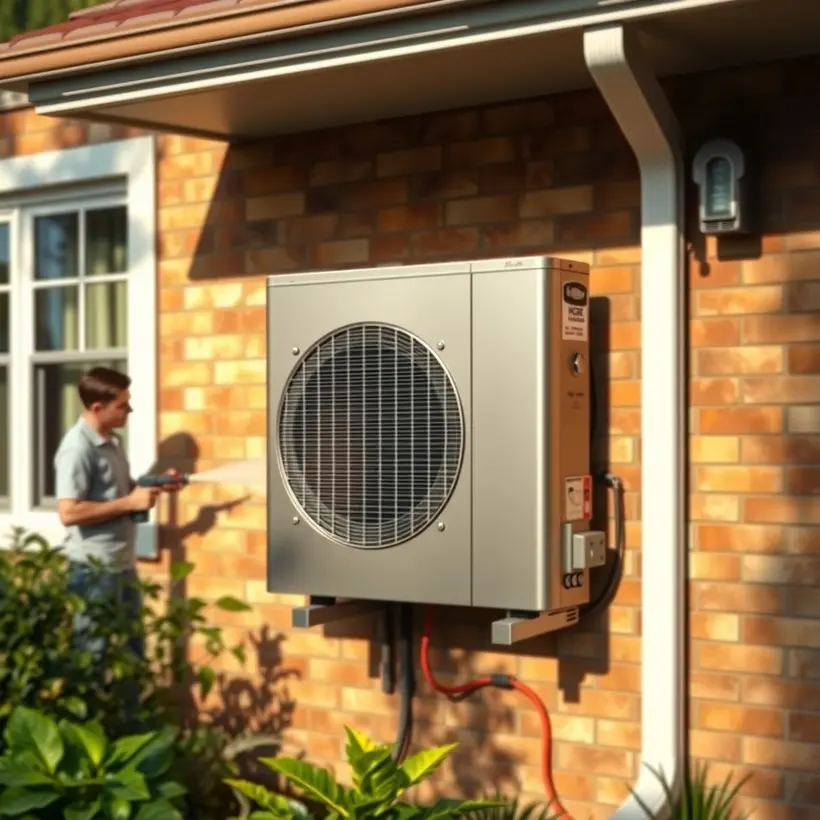
Is a heat pump worth it?A heat pump can be a worthwhile investment, especially for those looking to reduce their carbon footprint and energy bills. Here are some key benefits:
* Heat pumps can provide both heating and cooling, making them a versatile solution for year-round comfort.
* They often use renewable energy sources, such as geothermal or air-source heat, which can reduce reliance on fossil fuels.
* Heat pumps can be more energy-efficient than traditional HVAC systems, especially in mild climates.
However, the suitability of a heat pump depends on various factors, including your location, climate, and specific heating and cooling needs.
To determine whether a heat pump is worth it for your situation, consider consulting with a specialist who can assess your specific needs and provide personalized recommendations.
Next step: Would you like to explore the different types of heat pumps available, such as air-source, ground-source, or hybrid models?
How do I find climate-friendly contractors?Finding climate-friendly contractors can be a challenge. Here are some steps to help you get started:
1. **Check certifications**: Look for contractors with certifications like LEED AP (Leadership in Energy and Environmental Design Accredited Professional) or Net Zero Energy Specialist.
2. **Research local organizations**: Reach out to local organizations focused on sustainability, such as the US Green Building Council or the International Living Future Institute.
3. **Request a specialist**: Fill out our "Request a specialist" form on this page, and we'll connect you with a climate expert who can help you find reliable contractors.
Before we proceed, can you tell me what type of project you're working on (e.g., home renovation, commercial build-out, etc.)?